Enough is Enough is Enough

Photo by Jeffrey Czum on Pexels.com

Enough. The word itself is strangely unfamiliar when seen visually as it is spelled, yet, when heard or said aloud, it triggers all kinds of associations mentally and emotionally. From the German word ‘genog’ or sufficient, the word enough mysteriously refers simultaneously to a significant lack of something, just the right amount of something, and total abundance of something. The significance of the concept of enough in terms of emotional and mental health and when applied to the experience of addiction is so profound that it must be expounded upon to truly appreciate it’s impact.

Photo by eberhard grossgasteiger on Pexels.com

Enough is enough. When we see or hear this coupling of the word ‘enough’, we immediately think or feel “STOP”, as in, “enough is enough!” or “cut that out” or “that’s it, I’m done!”. This is a massive point of realization and a pivot point from one direction of movement to another and from one mindset or perspective to another. When we hear or reach the point of “enough is enough”, change automatically ensues. It is a stopping point where a decision has been made to switch gears, to put an end to something, and to reset and start over again in some other way. If we recall having said “enough is enough” in response to someone else or something inside ourselves, we know exactly how powerful “enough is enough” can be.
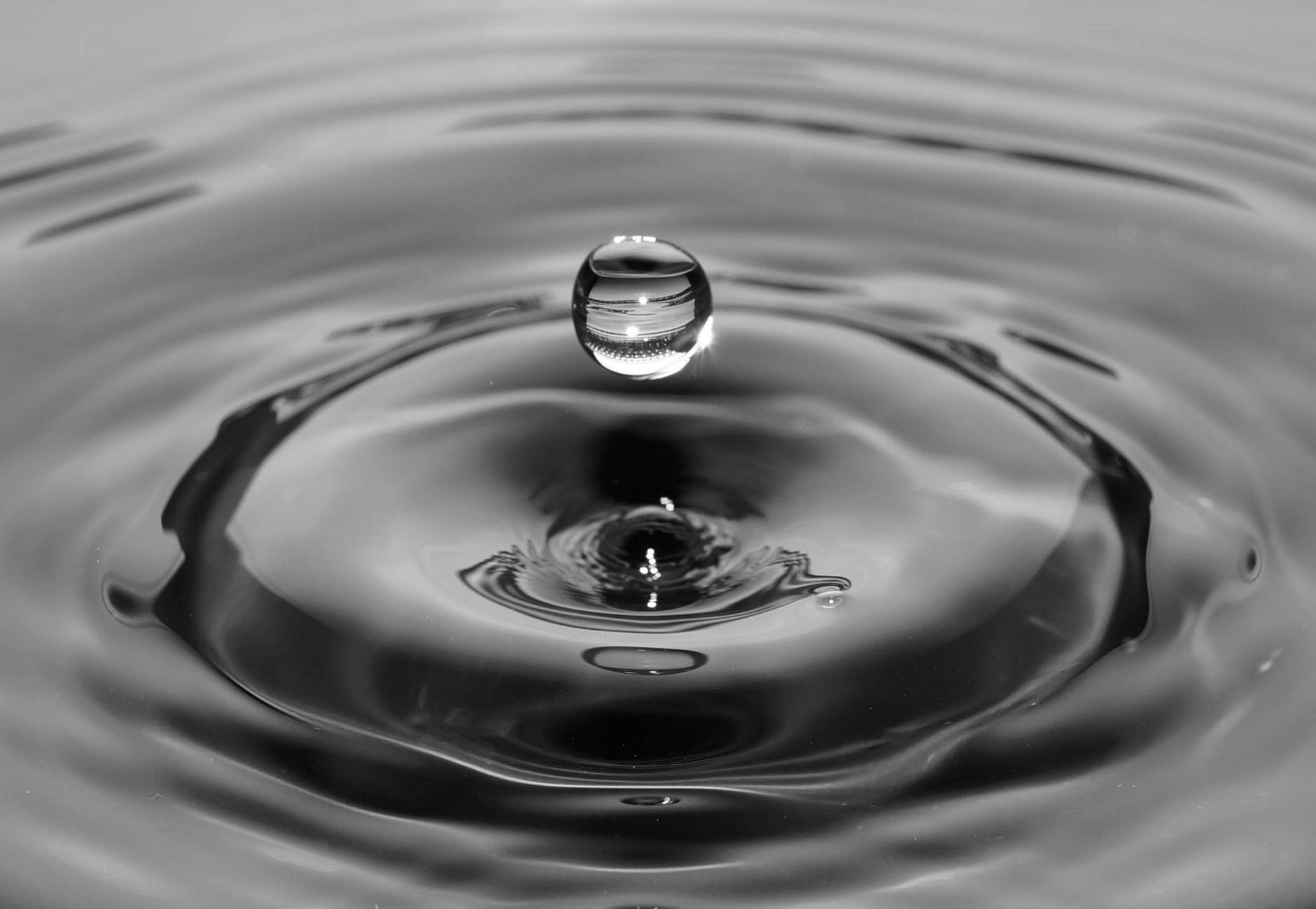
Photo by Skitterphoto on Pexels.com

Enough is enough is enough. Adding an extra “is enough” onto an already sufficient description of why “enough is enough” is in itself sufficient (pun intended), seems superfluous at first glance. It is as if the word “enough” itself is somehow lacking, the meanings of “enough is enough” doesn’t quite cover it, that we could go on and on in an infinitely repeatable pallindromic state. Alas, the triad of “enough is enough is enough” captures all of it. Consider saying this to yourself every day: “I am enough”. Imagine saying to those you care about and others: “You are enough”. Now think about saying to yourself in response to your own negative thoughts patters, self-destructive behavioral patterns, and unproductive cyclical relationship dynamics: “Enough is enough”. Finally, imagine being quiet for a moment, in a meditative or contemplative state, with a totally open mind an in complete awareness with eyes wide and a mellow smile and repeat the phrase “Enough is enough is enough”. The first ‘enough’ identifies the presence and absence of something. The second “enough is enough” offers a paradigm shift in thoughts, feelings, and behaviors. The third “enough is enough is enough” is the total package of peaceful wisdom that fills one’s present experience with abundance, balance, and joy to flow naturally.


Break the Frame

Photo by Thiago Matos on Pexels.com

Break the Frame

If 2019 was the year of #elevatedparadox, then let 2020 be the year of ‘breaking the frame’ #breaktheframe. A quick web search generated this spot-on definition: “dare to be different. try something new. untried before.” The concept, mindset, hashtag, philosophy is so right up my alley, it is truly uncanny. To consistently break the frame in 2020 is to challenge all assumptions, especially the beliefs, people, activities, preferences we hold most near and dear. Start each day with a commitment to break the frame of your own and others‘ perspectives and see what re-frame or new frame emerges. 

Why double-down so heavily on challenging our own assumptions? It’s about awareness and accountability. Truth is we don’t have the answers or know the answers. Whatever we think we believe, know, or do can always be tossed out. And, with a fresh start in mind, we can constantly analyze, tweak, and refine (line borrowed from ‘If I Built A Car’ by Chris Van Dusen) our version of real-time for the sake of change and self-enhancement. Ultimately, “none but ourselves can free our minds” (Bob Marley) and only we are responsible for our own thoughts, feelings and behaviors. It is absolutely up to us, and nobody else, to reclaim power and responsibility for ourselves in this lifetime.

Break the Frame is the perfect metaphrase to spark innovation and massive change at scale. As a Twitter and in-person friend Austin Brown (@Recovery_ABrown) recently tweeted: “I’m going to refrain from any platitudes of hope this year. Our world is in deep trouble. Without radical sociopolitical changes in rapid order, w/ infrastructure mobilizations on par w/ WWII, children born today will have a dark and dangerous future devoid of any prosperity.” And my tweeted reply: “Yes. But doesn’t that sentiment contain the seed of such prosperity?” Let us remember to #breaktheframe as often as possible in 2020 to lay the groundwork for the most incredible decade humanity has every experienced. It starts with the individual and expands from there. Go for it! Dare to be different. Try something new. Dive into the discomfort zone and live fully. 

Sweet & Sad

Photo by Pixabay on Pexels.com

Life passes while you wonder “what it is”. – Anthony De Mello

We see signs of sweetness and sadness everywhere. And, where our attention goes, energy flows. As our lives continue to unfold, moment by moment, day by day, we realize more and more that we are observers and participants in both our internal worlds (inner dialog/perspectives) and outer worlds (others, environments, media). We exercise some control over the outside world but we overestimate such control. We can exercise a lot MORE control over our inner world but we underestimate such control. We need to reverse this habitual reality.

Photo by 3Motional Studio on Pexels.com

We must increasingly “let go” of the idea that we can exercise any real control over outside circumstances. We must enhance our ability to let go of things we can’t control. The result is typically increasing our serenity, adaptability and resilience. We must increasingly adopt the mindset that we have total control over our level of self-awareness and our thoughts, feelings and behaviors in any given moment. We must continue to develop and grow in our capacity to reclaim power from within rather than feeling dis-empowered by forces outside of our sphere of influence.

Photo by Download a pic Donate a buck! ^ on Pexels.com

There is sweetness and sadness throughout the lifespan. A sunrise, a sunset, a loss, a wing, a change, an achievement, and all of life’s experiences contain elements that taste delightful, feel sorrowful, sound joyous, smell rancid, and look stunning. Our sixth sense synthesizes our other five senses to inspire us to appreciate the sweetness and sadness across the full spectrum of our journeys together and in solitude. Anthony de Mello wrote a book called “Awareness” and it is a must read for anyone interested in personal philosophy development. Highly recommended. Here is a sample for those interested. Thank you!

Dabs and Doublecup

Dabs have been around for over a decade. Doublecup is a more recent term applied to an “activity” associated with “lean” or “purple drank” which has been popular for over a decade. Professionals in health care, family and friends, as well as the general public must know about these popular terms and the culture surrounding them. Why? Because these activities and cultures that surround them pervade and influence people and their health and mental health in ways that can deepen understanding and connections with one another.

Dab (or dabb) is not to be confused with the “dance move or gesture in which a person drops his or her head into the bent crook of a slanted, upwardly angled arm, while raising the opposite arm out straight in a parallel direction“. Instead, it’s a form of cannabis with super high potency THC, the main psychoactive chemical in cannabis. Using cannabis in the form of dabs is not inherently bad, however, it may represent a different culture or mindset of drug use than simply “smoking a bowl”, “a one hitter” or the image of Bob Marley (or anyone) and a Spliff!

Photo by Brandon Nickerson on Pexels.com

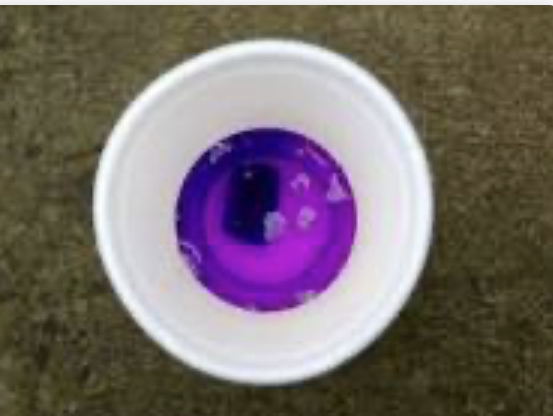
Doublecup is a term that is described in a recent Vice magazine video: “Why Lean Became Rap’s Most Wanted Drug”. It’s definitely worth watching. Listen to the lyrics of some of the most popular Rap and HipHop songs out there today. Just one example of a lyric by the recently deceased 21yo wildly successful HipHop/Rap artist Juice WRLD – “I problem solve with styrofoam” – gives a glimpse into this world of coping with information overload and hyper-speed everything. “Lean” or “Purple Drank” (and ‘sizzurp’ among other names) refers to “a combination of prescription-strength cough medicine, soft drinks, and hard, fruit-flavored candy“ according to drugabuse.com. Drugs like dextromethorphan (cough suppressant), codeine (an opioid), and promethazine (antihistamine) are often found in the crazy concoction. A good review is found here from the healthline medical team. To bring this all home, do a google search for dabs, promethazine, purple drank or lean, etc.. and you’ll see all kinds of pop culture pop up all over social media. Here is a sample:

https://genius.com/Jgrxxn-weed-pills-and-promethazine-lyrics
YNW Melly “Got Molly mixed with Promethazine”

The Spiritual Spectrum

Photo by Nashua Volquez on Pexels.com

Where do we find ourselves on the “spiritual spectrum”? This is a concept thought up one day while driving. Of course, it is found by a simple google search. Interestingly, before even looking it up, think for a moment what this concept may be describing. By “spectrum” we either think of “on the spectrum” as if referring to autistic disorders. We may also immediately think of the spectrum of light, color, sound waves, or other types of gradations of wavelengths or vibrations. The term spiritual conjures up of vast array of associations and meanings from the purely religious to the most broad aspecfs of the interconnectedness of humans, the natural world and the cosmos.

From the website http://www.universeas.com, we find this description of the spiritual spectrum: “The Spiritual Spectrum is based on measuring between fear/love and body/mind. When it comes to spirituality, religions vary greatly, individuals practice the same religions differently, and even atheists have spirituality.” This website also allows one to test themselves on this spectrum. My results showed that I have a clear preference for non-dualism and the I may like the book “The Universe is An Illusion”. However, there’s a lot more one finds in a google search for ‘spiritual spectrum’ such as stuff from the ‘A Course in Miracles’ book, as well as a TV Series!

#drrick

Let us assume that everyone is on the ‘Spiritual Spectrum” from the most concrete atheist and logically minded folks to the most ‘woo-woo’ out there spiritual and/or religious crusaders and everyone in between. Such an assumption may bring more people together than distancing ourselves from one another. Look for the similarities AND the differences and embrace both. Think on these things. Honesty, open mindedness and willingness may be all that is necessary.

Morals and Martyrdom

Photo by Isabella Mariana on Pexels.com

‘Morals and Martyrdom’… kinda sounds like a treatise on political courage or personal convictions. In an era of impeachment, as a nation facing it’s own moral crises, we’ve seen a need for courage while at the same time needing to endure forms of gaslighting and martyrdom seldom seen in this post-modern era. The word “dystopian” comes to mind all too often. We live in times where trauma and addiction are the buzzwords (and common experiences) of the day.

Let us define both ‘Morals’ and ‘Martyrdom’ to provide context for this commentary. ‘Morals’, defined at the broader level, are ” lessons, especially those concerning what is right or prudent, that can be derived from a story, a piece of information, or an experience”. As defined at the personal level, ‘morals’ refer to “a person’s standards of behavior or beliefs concerning what is and is not acceptable for them to do.” Do you see the connection between these definitions of ‘morals’ and that which is taking place currently as a nation in both politics and in our communities?

Martyrdom is defined as “a display of feigned or exaggerated suffering to obtain sympathy or admiration.” There are very few who have been spared the experience of either feeling like a martyr, being chafed or seriously affected by the martyrdom on display in those they know and even love. Although frequently applied to religious ideology and history, we mustn’t forget that the martyrdom of everyday life is deeply connected personal, community, and indeed national moral sensibilities or “nonsense abilities”. Let us allow ourselves the freedom to transcend moral arguments and spare ourselves the experience of martyrdom in ourselves and others. To end on a semi-related quote for this piece: ” Always do what is right. It will gratify half of mankind and astound the other.” –Mark Twain

4A! Change

Transformation

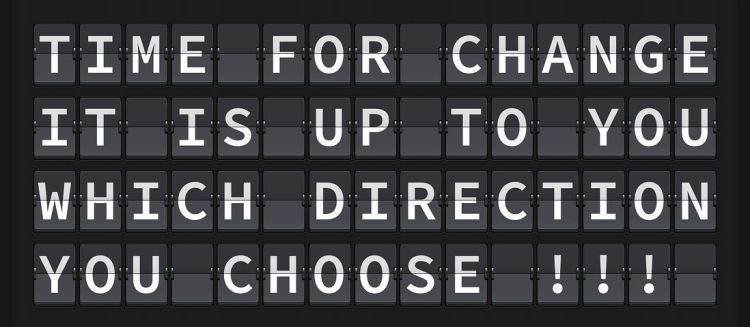
This time of year is a time for a change. Being obsessed with change professionally, personally, socially, spiritually, and environmentally, it is valuable to consider some core ingredients involved in the process of change. Truth is, change is personal and there are as many recipes for change, based on unlimited combinations of ingredients, as their are people and varieties of personalities, moods, beliefs, preferences, values and more. Still, boiling it all down to some common elements may help to create basic building blocks that can enhance the transition from one state of being to another. Let’s call these “4A Change” or the 4 A’s of change: Awareness, Appreciation, Acceptance, Action!

Notice immediately that the first three A’s are internal, that is, all of these three components of change reside within and require the individual to be attuned to their inner world of thoughts, feelings, beliefs, attitudes, preferences, and understanding. These three A’s are all about personal responsibility for one’s own perspective. Awareness is the first factor in any change process. Awareness is like the groundwater from which everything required for change springs forth. Appreciation is the energy and vibration that acts like a generator carrying forward the power required for change. Acceptance is the non-conforming state of being that opens up pathways that allows for change without effort, without force. These three A’s are the raw material for action!

Action! as intended here, is not what one typically thinks of when hearing or seeing the word action. Action! is the natural combination of being and doing arising from a state of flow, know, and show. Action! as it is described here, is experienced as a state of flow, an internal self-assured experience of knowing without really consciously knowing, and the outward “showing” or expression of everything that came before the manifestation of change. Think about these ideas. Watch the change unfold.

Time and Treasure

Photo by Moose Photos on Pexels.com

Take time to treasure two things: Time and Treasure. Put another way: take time to treasure time and take time to treasure treasure. And yet still put another way, we are all just passing through this life and it feels good to appreciate the things we have. 
In this hurry-up and harried world in which we participate, phrases like “get out of your own way” or “go with the flow” can really strike a nasty nerve. Like, who the hell wants to “stop and smell the roses” when there’s FOMO and YOLO and god knows what other artificial motivators dominating our collective consciousness. Don’t get me wrong, I love YOLO as much as the next person because “carpe diem / seize the day” can actually be super fun!

Photo by Kripesh adwani on Pexels.com

Treasuring time and treasuring treasure are the flip side of the same coin. When we appreciate what we have (love, friends, family, pets, food, shelter, health, etc..) with a basic sense of gratitude, time actually does slow down and the need for instant gratification is subdued. In service of our more spiritual selves, if you believe in that sort of thing, let us savor life in the most subtle ways. Notice the space between the ‘Tick’ And the ‘Tock’ on the seconds hand on a clock and remember, we are all just passing through. Live well.

Tell Me What To Do

Photo by Bakr Magrabi on Pexels.com

Indecision can be paralyzing. Sometimes we just want someone to tell us what to do. We may be faced with too many options which short-circuits are ability to be decisive. We may be super anxious about some real or imagined catastrophe that would occur by taking action in one direction, or the other. We all face moments in our lives, and they are just moments, when our inner compass is broken or we don’t trust it and what we want most is for someone or something to come along and decide for us.

All of the following statements may be true: 1) Uncertainty is an essential component of living fully; 2) Indecision itself is a decision which, when accepted, expedites change; 3) our inner compass and outside feedback are aligned in the service of helping us grow. If they are true, then being told what to do is insufficient. In fact, being told what to do by someone else and not having internally come to the same conclusion internally in an authentic way is potentially worse than being stuck. Have you ever told someone what to do and it turned out being the WRONG thing?

Let us pause for a moment: Pay Attention Understand Self Expression. We need to tune into our own experiences, our thoughts, our feelings, our behaviors. We need to observe more, become the watcher of ourselves in the spirit of developing more and more self-awareness, especially when we feel stuck, lost, confused, and overwhelmed. The greatest gift we can give ourselves is to trust that whatever we are debating inside our heads and our hearts is for our own progress. It is not a problem to be solved nor is there anything we have to do. Patience is a most valuable resource. Tap it often.

So, no, I won’t tell you what to do, but you may still ask. Reaching out for help in and of itself is one of the greatest acts of humility.

A Home Inside

Photo by luizclas on Pexels.com

Uprooted. Floating. Groundlessness. Unsettled. When these feelings abound inside us, we confront a basic need for a feeling of connectedness, belonging, or a feeling of being home. The psychological and emotional aspects of homelessness are often overlooked due to the disproportionate attention placed on external realities such as shelter, food, warmth, and interpersonal contact. There is nothing wrong with this imbalance, in fact, it’s perfectly appropriate given what is abundantly clear as the problem and the solution. Don’t have a home? Well, here’s a place to rest and have shelter and nourishment to feel protected and soothed.

But what about the internal experience? What do when feeling homeless inside ourselves? We often turn to others or concrete material things or a geographic location to establish a feeling of being at home. When we realize that feeling at home with the help of outside things takes precedence over feeling at home inside ourselves, we notice a slight shift. We begin to recognize that we must develop a sense of a “home inside”, to learn to belong to ourselves and perhaps to the world around us whether through others, through nature, or the broader Universe.

Photo by Pixabay on Pexels.com

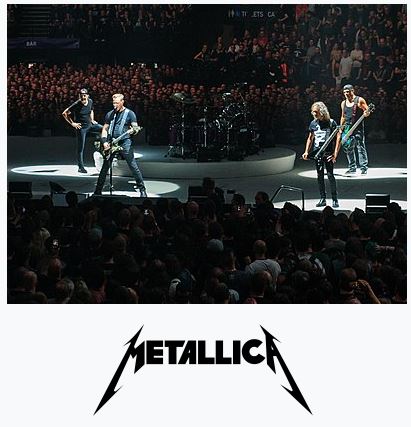
Ask the question: Do I feel at home in the world no matter where I am, or who I am with, surrounded by total strangers in a foreign land or totally alone in a familiar or strange setting? Yes! We can learn to feel at home inside. If we are aligned with our inner guidance system, our true nature, who we know and feel we are as good people with a sense of belonging to oneself, comfortable in our own skin, then we consistently feel at home wherever we may roam. This conjures up the popular Metallica song “Wherever I may roam”. Lyrics copied here:

And the road becomes my bride
I have stripped of all but pride, so in her I do confide
And she keeps me satisfied, gives me all I need.

And with dust in throat I crave
Only knowledge will I save, to the game you stay a slave
Rover, wanderer, nomad, vagabond
Call me what you will

But I’ll take my time anywhere
Free to speak my mind anywhere
And I’ll redefine anywhere
Anywhere I roam, where I lay my head is home

And the earth becomes my throne
I adapt to the unknown, under wandering stars I’ve grown
By myself but not alone, I ask no one.

And my ties are severed clean
The less I have the more I gain, off the beaten path I reign
Rover, wanderer, nomad, vagabond
Call me what you will.’